
Dunes PGA fairway wood guide
Which GTS Fairways fits your game?
Compare the current GTS Fairways models and understand which head may provide the most useful starting point for your game.
Start with what you need
Choose the job before the model.
A useful first comparison, not a substitute for testing. Strike, delivery, loft and shaft can all change which head performs best.
At a glance
See the differences clearly.
Supplier information translated into a practical starting point for a fitting.
| Model | Launch | Spin | Forgiveness | Flight tendency | Best starting point for |
|---|---|---|---|---|---|
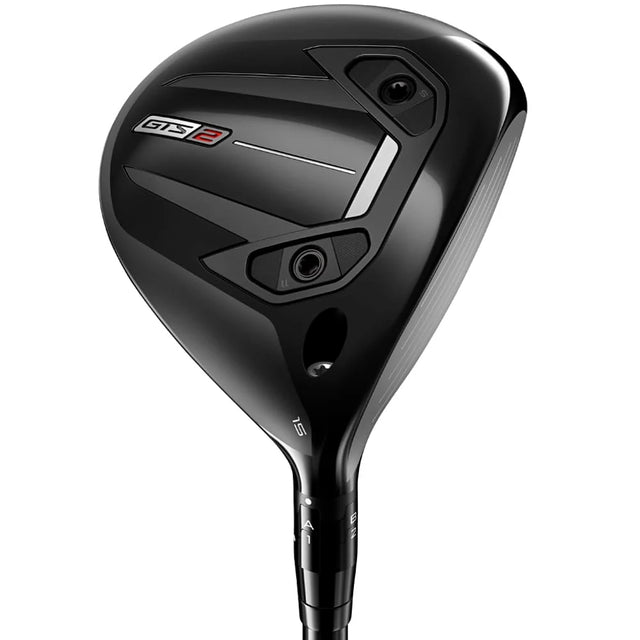
| GTS2 | High | Mid | Highest | Neutral | the most forgiving GTS fairway starting point |
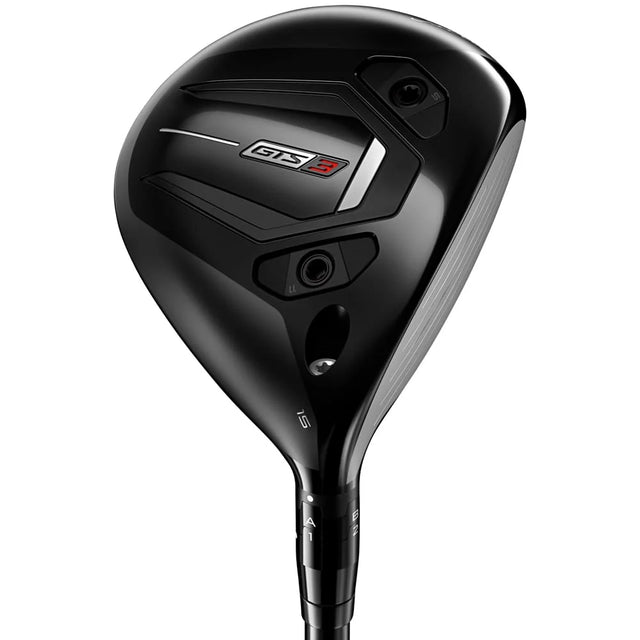
| GTS3 | Mid | Low to mid | High | Adjustable | a traditional profile with directional adjustability |
Based on the manufacturer's current published range. View supplier information.
Plain-English guidance
Which GTS Fairways should you try?
The correct head is the one that produces the most useful combination of speed, launch, spin and dispersion for your swing.
 Speed and stability
GTS2
Speed and stability
Consider this if: the most forgiving GTS fairway starting point
GTS2 provides a clear fitting option within the GTS Fairways range. We compare its launch, strike consistency and carry gaps against the other suitable heads.
Worth knowing: The correct loft and shaft depend on whether this club is mainly for the tee, the turf or a specific carry gap.
 Precise control
GTS3
Precise control
Consider this if: a traditional profile with directional adjustability
GTS3 provides a clear fitting option within the GTS Fairways range. We compare its launch, strike consistency and carry gaps against the other suitable heads.
Worth knowing: The correct loft and shaft depend on whether this club is mainly for the tee, the turf or a specific carry gap.
The Dunes view
Use the guide, then prove it in a fitting.
We start by deciding whether the club is mainly for the tee, the fairway or both. The best result must launch reliably and fill a useful carry gap.